When businesses evaluate capital expenditure, office design rarely gets the same scrutiny as technology investments or marketing spend. Yet the evidence is clear: the physical environment where people work has measurable, significant impact on the metrics that matter most — productivity, talent retention, client perception, and ultimately, revenue.
Productivity: The Most Direct ROI
A well-designed office increases individual productivity by 20% on average, according to studies by the World Green Building Council. For a 50-person company, that’s the equivalent of gaining 10 additional full-time employees — without hiring anyone.
Talent Attraction & Retention
In a competitive talent market, your office is a powerful recruitment tool. 86% of job seekers consider the physical workspace when evaluating a job offer. Companies with well-designed offices report up to 25% lower voluntary turnover — a saving that dwarfs the cost of the design investment.
Client Perception
Your office is one of the most powerful brand touchpoints you control. A thoughtfully designed space signals competence, stability, and attention to detail. For professional services firms — law, consulting, finance — a impressive office directly influences client trust and win rates.
Health & Absenteeism
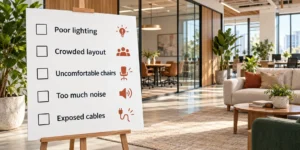
Poor ergonomics, inadequate lighting, and noise stress contribute to higher rates of absenteeism. Companies that invest in ergonomic furniture, natural lighting, and acoustic management see measurable reductions in sick days — often recovering the design cost within 18–24 months.

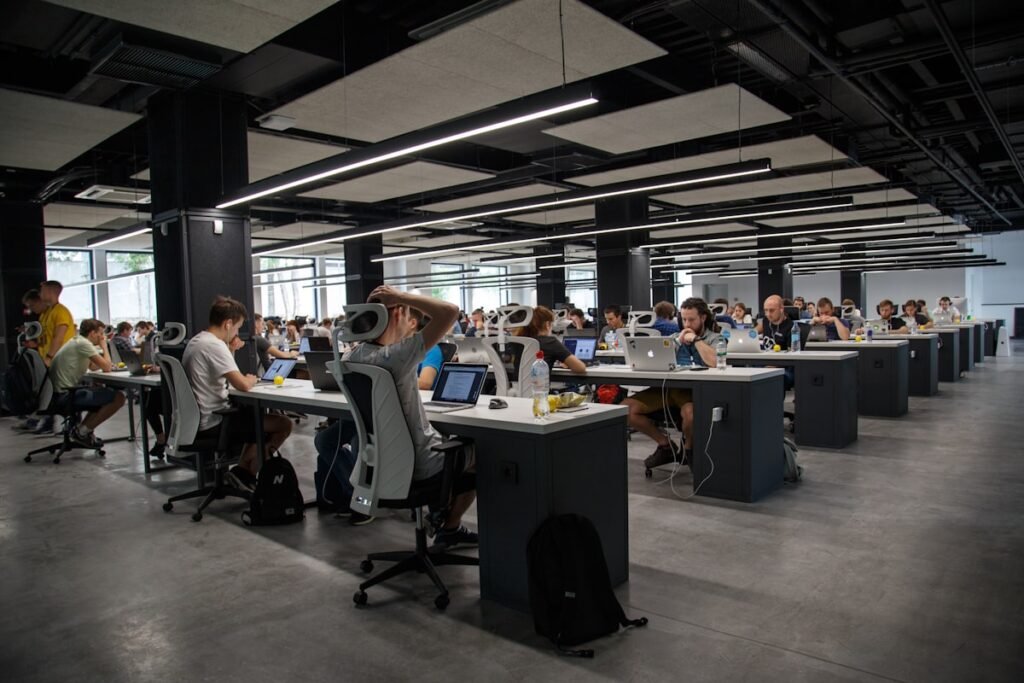

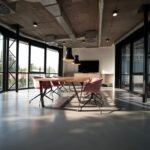 How to Choose the Right Office Layout for Your Team
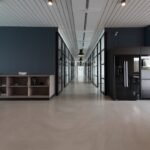 10 Office Design Trends Dominating Dhaka in 2025